

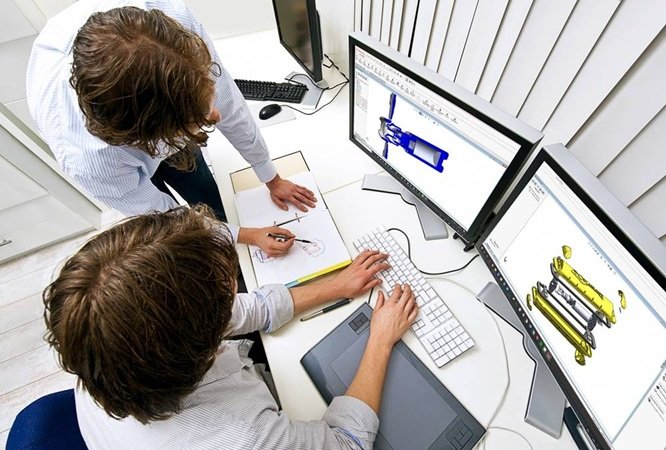
A lot of hardware enterprises are really heavy on the technology side, and they don’t realize how hard it is to take a prototype and transform it into a production-ready product. A device could perform well during testing but still have manufacturing challenges, such as a poor enclosure fit, temperature issues, expensive tooling adjustments, or inefficient assembly.
That’s why selecting the appropriate industrial design company is so vital. Industrial design is more than skin deep. It also influences manufacturability, usability, component integration, and manufacturing costs.
Hardware products are becoming smaller and more complicated; thus, companies require expert design partners to produce scalable devices. But with so many choices, it might be difficult to find the proper match. Below are some practical recommendations to help you identify the greatest fit for your hardware product needs.
Why Industrial Design Is More Than Just Product Appearance
One of the most common misconceptions is that industrial design is all about making items look good. Indeed, it impacts the ease of manufacturing and assembly of a product.
A poorly designed product may create issues with:
- PCB assembly
- Thermal management
- Cable routing
- Injection molding
- Component placement
- DFMA (Design for Manufacturing and Assembly)
For example, consider a wearable electronics business getting ready for pilot production. Any minor inaccuracy in the enclosure tolerances means the embedded systems within may not align correctly. That single issue can delay prototyping, tooling, and testing schedules.
This is why a good industrial design company should look beyond aesthetics. They need to comprehend engineering limits, production feasibility, and the realities of the supply chain, right up front.
Understand Your Product Requirements First
It is crucial that teams first identify what stage their product is at and what they want to accomplish.
Ask yourself this:
- Are you creating an MVP?
- Is the product meant for mass production?
- Do you require tough industrial hardware or premium consumer electronics?
- Will the product need certifications or environmental testing?
Different products require different design priorities.
A consumer gadget could highlight ergonomics and aesthetics, whereas an industrial IoT device could highlight durability, ventilation, and serviceability.
The best teams offering industrial design services India understand how to balance user experience with engineering practicality.
Look Beyond Attractive Portfolio Renders
Many design firms showcase sleek renders and polished visuals. While presentation matters, hardware development requires much deeper expertise.
When evaluating a partner, focus on practical capabilities.
Do They Understand Electronics Integration?
A product enclosure must work smoothly with internal electronics.
The design team should understand:
- PCB dimensions
- Battery placement
- Antenna clearances
- Connector accessibility
- EMI/EMC considerations
- Embedded hardware limitations
Without electronics awareness, visually appealing products can become difficult or expensive to manufacture.
Do They Design for Manufacturing?
This is one of the biggest differentiators between average and experienced firms.
A strong industrial design company considers manufacturing constraints early in the process instead of fixing issues later.
They should discuss:
- Injection molding feasibility
- Material selection
- Assembly efficiency
- Tolerance management
- BOM optimization
- DFMA principles
Good design decisions made early can significantly reduce production costs later.
Manufacturing Experience Is a Major Advantage
Some design studios come up with great concepts but have limited industrial exposure. This often results in redesign cycles once factories have reviewed the product.
That is why many startups prefer teams experienced in industrial design services India, where product design is often closely connected with manufacturing ecosystems.
This integration helps improve coordination between:
- Mechanical design teams
- Electronics engineers
- Prototype vendors
- PCB assembly partners
- Manufacturing suppliers
For example, when a particular material becomes tough to source all of a sudden, experienced teams can suggest realistic substitutes that will not impact product functionality or tooling deadlines.
That kind of flexibility is extremely valuable in today’s electronics supply chains.
Evaluate Their Prototyping Process
Hardware products almost always require multiple iterations before final production.
A capable design partner should support:
- Rapid prototyping
- 3D printing
- CNC machining
- Functional mockups
- Engineering validation builds
Prototypes help identify issues related to fit, heat, usability, and assembly before expensive tooling investments begin.
The best industrial design company partners treat prototyping as a critical engineering step rather than just a presentation exercise.
Communication Is Just as Important as Technical Skills
Many hardware delays happen because technical teams and business teams are not aligned properly.
A good design partner should explain complex engineering concepts in simple language. Founders should understand the trade-offs behind design decisions without needing advanced hardware expertise.
For example, if a design choice increases tooling cost, the team should clearly explain:
- Why the cost increases
- Whether it improves reliability
- If lower-cost alternatives exist
Strong communication improves decision-making and reduces unnecessary delays.
Why Hardware Teams Choose Elecbits for Scalable Product Development
Elecbits provides hardware companies with integrated product development services, not design and manufacturing as two separate workflows. Their ecosystem blends electronics engineering, embedded systems expertise, mechanical design, prototyping, and production assistance into one platform.
With their reliable industrial design services India, businesses may also overcome practical hurdles such as supplier coordination, manufacturing readiness, and DFMA optimization without burdening the founders with technical complexity.
This comprehensive approach can help early-stage hardware startups avoid costly redesigns and shorten the path to production.
Conclusion
Hardware development is rarely simple. There will always be design changes, sourcing problems, testing mistakes, and manufacturing adjustments later on.
The point is not to escape all the problems. You want to collaborate with a partner who spots issues early, before they become costly.
The perfect industrial design company is one that has design, engineering, production, and scalability all within one team. A decent looking product is crucial, but a product that can be built efficiently and scaled profitably is what really succeeds in the market.
As electronics products become smarter and more compact, communication between design and production teams will be progressively more important to hardware success.
Using Financial Tools to Track and Improve Financial Performance
