
Key Takeaways
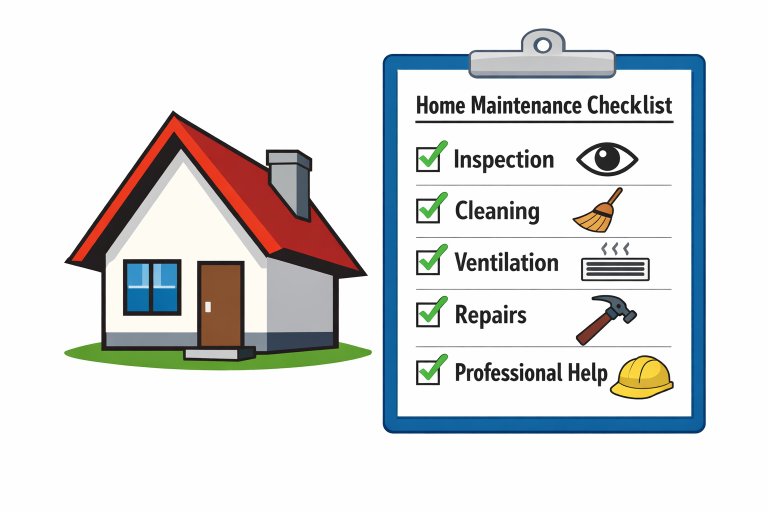
- Regular inspections help identify and address minor issues before they escalate.
- Cleaning gutters and removing debris prevent water damage and structural issues.
- Proper attic ventilation and insulation are crucial for roof longevity.
- Timely repairs of damaged shingles and flashing prevent leaks and further damage.
- Professional maintenance services offer expertise and ensure thorough care.
Taking proactive steps to maintain your roof can save homeowners from expensive repairs and premature replacement. Roof maintenance not only protects your investment but also contributes to greater energy efficiency and overall home safety. From twice-yearly inspections to keeping your attic well-ventilated, small efforts can go a long way in maximizing the lifespan of your roof. Read more.
Over time, exposure to weather and falling debris can degrade roofing materials and compromise your home’s structure. With regular upkeep, homeowners can ward off bigger problems and keep their roofs performing optimally for decades to come. This guide explores practical tips and expert advice that make roof maintenance manageable for any household.
Regular Inspections
The foundation of effective roof care lies in conducting routine inspections. Homeowners should aim to visually inspect their roofs at least twice a year, typically during the spring and autumn months when weather conditions are milder. During these inspections, it is important to look for any signs of trouble, such as cracked, loose, or missing shingles, rusted or lifted flashing, and blocked gutters. Early detection allows for small repairs before water infiltration or weather events cause further damage.
In addition to visual inspections from ground level, consider climbing into your attic and checking the underside of the roof for signs of leaks or water stains on the rafters and sheathing. Sometimes, issues are not yet visible from outside but may be forming hidden problem areas inside. For homes surrounded by tall trees, be extra vigilant in the spring and fall, as fallen branches and accumulated leaves can hasten roof deterioration. Keep an eye out after heavy storms as well. High winds can sometimes loosen shingles or hurl debris onto your roof, creating vulnerabilities that should be addressed promptly.
Besides scheduled biannual checks, irregular events such as hail, heavy snowfall, or high winds may warrant additional inspections. Documenting your findings with photos can be useful both for tracking developing issues and for possible insurance claims.
Cleaning Gutters and Removing Debris
Neglected gutters often lead to water spilling over the side and pooling near your home’s foundation or seeping under roof edges. To avoid these risks, clean your gutters thoroughly at least twice a year. Remove debris, including leaves, twigs, pine needles, and dirt that can cause blockages. Ensuring free-flowing gutters is essential for preventing damaging ice dams in colder climates and reducing stress on your roofing system. Proper debris removal not only lengthens your roof’s service life but also helps maintain your home’s structural integrity.
Ensure that downspouts are clear and direct water well away from your home’s foundation. Installing gutter guards can help reduce the frequency of cleanings, though a periodic check is still recommended even with these systems. For homes in wooded areas, more frequent cleaning may be necessary due to the increased likelihood of debris buildup.
In areas with seasonal storms, it’s wise to perform an extra cleaning or checkup following a heavy rain or windy period. This simple preventive measure can go a long way toward thwarting potentially costly water-related damage to both your roof and your home’s interior.
Ensuring Proper Attic Ventilation and Insulation
Roof durability is directly related to attic ventilation and insulation. Adequate airflow helps prevent heat and moisture buildup, both of which can accelerate the deterioration of roofing materials and promote mold growth. If your attic feels hot or stuffy even on cool days, it may indicate inadequate ventilation. Insulating your attic correctly further stabilizes temperatures, which reduces stress on your shingles and lowers your energy bills. The U.S. Department of Energy recommends checking attic ventilation periodically, especially after severe weather, to ensure that your system remains efficient.
Inspect vents, louvers, and soffits for blockages or pest infestations as part of your routine maintenance. Proper attic insulation not only preserves roof longevity but also protects your interior spaces by keeping them more comfortable year-round. If you’re unsure whether your attic meets modern standards for insulation or ventilation, a professional assessment can pinpoint needed improvements.
Remember, overheating due to improper airflow shortens roof material lifespans, while excessive moisture can lead to mold and structural rot. Small improvements can have significant long-term effects on the health of your roofing system.
Timely Repairs of Damaged Shingles and Flashing
Even strong roofs are vulnerable to the elements. Storms, wind, and daily wear can loosen shingles or disrupt flashing, leading to leaks. Repairing these issues promptly is crucial. Small cracks can quickly become larger, allowing water to damage the supporting structure beneath roofing materials and leading to rot or mold. Use binoculars for a close-up look at the roof from the ground or consult a local professional if climbing up is unsafe. Making timely repairs can significantly extend your roof’s life and maintain your home’s safety and value.
If you spot granule loss in your gutters, curling shingles, or obvious punctures, act immediately. Flashing around vent pipes, skylights, and chimneys is especially vulnerable and should be kept watertight. For DIY repairs, reliable sealants or replacement shingles are available at hardware stores. However, if problems are widespread or extend beneath the visible layer, professional help is advised.
Remember, unattended damage quickly escalates, leading to moisture intrusion, pest infestations, and the need for costly structural repairs. Scheduling repairs as soon as defects are identified greatly reduces the risk of cascading damage.
Utilizing Professional Maintenance Services
While many maintenance tasks are manageable for homeowners, professional roofing contractors bring valuable expertise. Regular service by experienced professionals ensures a comprehensive assessment, uncovering hidden problems that might otherwise be overlooked. Professionals can spot signs of subtle water damage, improper flashing, or inadequate ventilation, providing repairs that preserve your roof’s longevity while meeting warranty specifications. This investment can save substantial costs in the future by addressing risks before they develop into significant issues.
A licensed roofing professional has the training and equipment needed not only to inspect your roof safely but also to conduct more advanced repairs and maintenance. In addition, many roofing warranties require periodic professional inspections to remain valid. Taking advantage of annual or seasonal maintenance programs offered by trusted local contractors ensures you never miss crucial upkeep tasks.
By incorporating these essential practices, homeowners can greatly extend the lifespan of their roofing systems. In addition to safeguarding structural integrity, regular maintenance enhances overall energy efficiency and property value for years to come.
Whether you tackle basic roof care yourself or rely on expert support, prioritize a proactive approach to roof maintenance. Doing so protects your home, prevents avoidable expenses, and provides peace of mind knowing your most valuable investment is shielded from the elements.
