
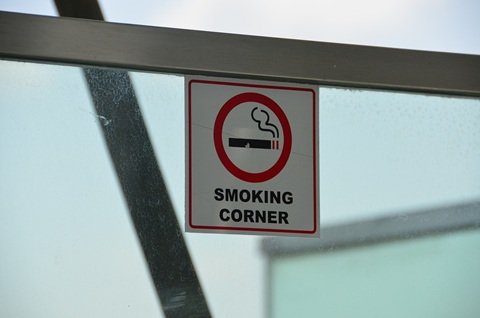
Smoking areas in the workplace have come a long way in the last decade.
Gone are the days of tossing a butt bin in a corner and calling it a day — businesses are now completely rethinking how smoking zones should work. If you need some convincing that your business should care about designated smoking areas, consider this…
Tighter workplace standards + Higher employee expectations + Outdoor smoking legislation gets stricter every year.
If your business isn’t already thinking about how your smoking area fits into that mix, you’re already behind.
Here’s what you’ll learn:
- Why Businesses Are Rethinking Smoking Areas
- What Modern Workplace Smoking Standards Actually Require
- Key Design Elements of a Compliant Smoking Zone
- How Smoking Product Choices Are Shifting in the Workplace
- What Businesses Get Wrong (And How To Fix It)
Why Businesses Are Rethinking Smoking Areas
Before getting into the rules and regulations that businesses have to juggle these days, here’s some perspective with hard numbers.
It’s not just about “looking good” to non-smoking employees or customers.
State lawmakers and tobacco control programs surveyed employers who enacted smoke-free workplace policies between 2002 and 2017. Of those businesses:
Businesses reported reducing fire insurance premiums by 25–30%.
Cigarette use among adult smokers in the US has reached an all-time low of 9.9% as of 2024.
Taken together, what this tells us is that fewer employees are smoking than ever before. But the employees who do smoke still need a place to go.
Smarter businesses realize this. They aren’t trying to get rid of smoking areas, but instead rethink how they approach them from the ground up.
A good smoking area keeps smokers fully away from the main building. It should be comfortable, well-ventilated, and provide ample trash receptacles. When done right, it keeps non-smokers safe, helps businesses stay compliant with the law, and gives employees a place they actually want to use.
What Modern Workplace Smoking Standards Actually Require
First things first: Every employer needs to know what laws apply to their buildings and properties.
Twenty-eight states and DC have laws that require “nonhospitality workplaces, restaurants, and bars to be smoke free indoors.” If you’re located in one of those states with employees that smoke cigarettes, you need to pay attention.
These state laws vary slightly, but they all require smoking to take place outside at a distance from the main building. OSHA Guidelines for smoking zones include:
- Clear signage marking the area
- Distance from entrances, windows, and air intake vents
- Proper waste receptacles for cigarette butts
Many states have gone even further and stipulated a hard distance from entrances. Twenty-five feet is common.
Employers who don’t design their smoking area with these regulations in mind are asking for problems. Conflicts with employees, non-smoking customers, and even fines from regulatory agencies.
TLDR;: Compliance isn’t optional.
Key Design Elements of a Compliant Smoking Zone
For businesses that know their state laws and want to build a smoking area that ticks all the boxes, here’s what that looks like.
It might surprise you. Thoughtful smoking zone design is more than just a shelter in the corner of your parking lot. Businesses that “got it right” start with these elements:
Shelter & seating. Smoking areas should have some form of covered shelter with seating. This not only makes your employees more comfortable, but it encourages them to use the smoking zone instead of hanging by the front entrance.
Airflow & ventilation. OSHA Standards recommend keeping smoking zones away from “wind currents that blow toward building entrances, indoor areas, or air intake vents.” Placement matters more than you might realize.
Waste management. Large, sealed ashtrays paired with easy trash disposal reduces litter and helps separate smoke zones from the rest of your property.
Signage. Signage is another important feature. Not only should you post a “no smoking” sign outside the building, but you’ll want to post smoking guidelines near the smoking area itself. Include:
- Boundary of no smoking zone
- Language around expected behaviors
- Emergency contact information
Lighting. Finally, if you have employees working late hours or shifts, you’ll need to plan for lighting as well. A well-lit smoking area is a safe smoking area.
Does your brain hurt yet? It shouldn’t. Creating a smoking area that checks all the boxes isn’t difficult. It does require businesses to pay as much attention to the smoking zone as they do the employee break room or restrooms.
How Smoking Product Choices Are Shifting in the Workplace
Before wrapping up, there’s one more trend worth highlighting:
The types of products employees are choosing to smoke are changing.
Just like has been seen across the country, more employees are shifting toward products that create less smoke, litter, and downtime. There’s been increased interest in discount slim cigarettes from employees who want a less “obtrusive” product to enjoy during their breaks.
Why does this matter?
Employees who smoke slimmer products or low-volume products like e-cigarettes and vaping typically spend less time in your smoking area. That means less crowding around the zone and a cleaner area overall.
There are a couple of important takeaways for employers here:
- Shorter smoking breaks may allow you to get away with smaller shelters
- Low-volume smoke in the area might reduce ventilation requirements
- Cultural shifts around employee smoking are happening — acknowledge them
Keeping an open mind to how employees use your smoking zone (and what they choose to smoke) can lead to big payoff in design and overall employee satisfaction.
What Businesses Get Wrong (And How To Fix It)
By far the biggest mistake businesses make is designing their smoking area without thinking it through.
They dump a bench under a tree, lean a butt can against it, and call it good. Then they get frustrated when:
- Employees use the entrance to the building as a smoking area.
- Non-smokers complain about cigarette litter on the property.
- The smoking area becomes unsanitary and unusable.
To fix these problems after the fact is expensive. To prevent them with proactive design? Simple.
Here are the most common smoking area design mistakes businesses make:
- Location, location, location. Your smoking area should never be close to the front entrance of your building. Doing so exposes non-smokers to secondhand smoke when they enter and exit your facility.
- Signage. This isn’t optional. Post a formal smoking policy near your smoking area so employees know what’s expected of them.
- Provide adequate waste disposal. Don’t expect your employees to contain their cigarette litter to the smoking area. Give them an enclosed waste receptacle nearby and empty it daily.
- Maintain the area. Cleanliness is key. A smoking area that is clean and well-maintained will always be used properly.
- Plan for airflow. If cigarette smoke drifts toward your entrance or windows, employees will quit using the smoking area. Don’t let this happen.
Each of these problems can be solved with a little forethought. And forethought is priceless when it comes to preventing larger issues down the road.
Bringing It All Together
Modern smoking areas aren’t as complicated as you might think.
They still require businesses to understand their state and local legislation, but the principles of designing a good smoking area haven’t changed. If you keep these tips in mind when planning your smoking zone, you’ll set yourself up for success:
- Know the rules at the state and local level.
- Design with airflow, shelter, lighting, and trash receptacles in mind.
- Post clear signage, and enforce the rules around it.
- Maintain your smoking area regularly.
- Pay attention to how employees smoke and what they choose to smoke.
Treat the break room and the smoking area with the same attention. Smoking areas are small, but they send a huge message about how your business operates.
Take care of them.
