

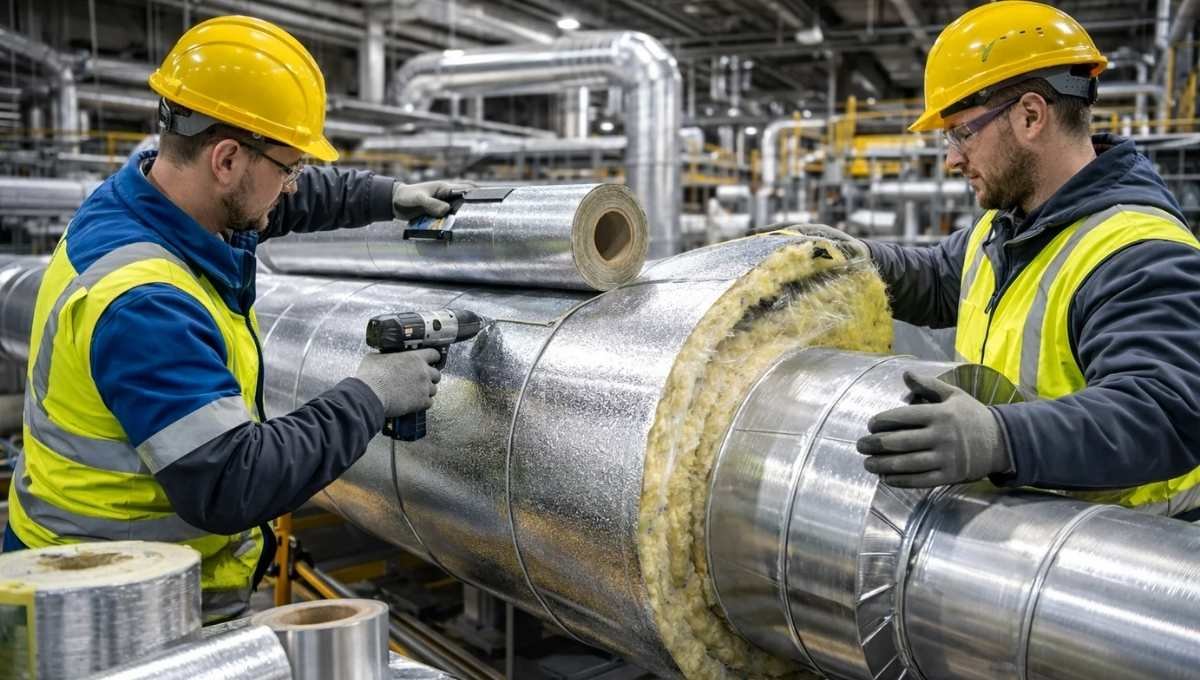
Modern engineering depends heavily on efficiency, safety, and long-term operational reliability. As industries expand and energy demands increase, managing heat transfer has become a critical part of engineering design. Industrial insulation materials play a central role in achieving these goals by controlling temperature, reducing energy loss, and protecting equipment across a wide range of sectors. From manufacturing plants to power generation facilities, insulation solutions help engineers optimize performance while maintaining safe working environments.
Many organizations begin improving system efficiency by working with reliable suppliers such as chinathermalinsulation, which provide insulation materials suited for complex industrial applications. Selecting appropriate insulation solutions early in engineering projects allows companies to enhance performance, reduce operational costs, and extend equipment lifespan.
The Importance of Industrial Insulation in Engineering
Industrial systems frequently operate under extreme temperature conditions. Boilers, pipelines, reactors, and processing equipment either generate heat or require controlled thermal environments to function properly. Without effective insulation, heat escapes into surrounding areas or unwanted heat enters controlled systems, leading to inefficiency and instability.
Industrial insulation addresses these challenges by creating a barrier that slows heat transfer. This improves energy efficiency while helping maintain precise operating conditions required for modern engineering processes.
Engineers increasingly view insulation not as an optional addition but as an essential component of system design.
Energy Management in Industrial Systems
Energy efficiency remains one of the primary reasons insulation is used in engineering projects. Large industrial facilities consume significant energy daily, and even small improvements in thermal management can produce measurable savings.
Heat Retention in High-Temperature Systems
Steam pipelines and boilers lose energy rapidly when left uninsulated. Proper insulation helps retain heat during transport and operation, reducing the need for additional energy input.
Temperature Stability
Consistent temperatures allow machinery to operate within optimal performance ranges. Stable conditions improve productivity and reduce stress on equipment components.
Reduced Energy Consumption
When thermal losses decrease, heating and cooling systems operate less frequently. This lowers fuel usage and electricity demand, contributing to lower operational expenses.
Equipment Protection and Longevity
Industrial equipment represents a major investment. Insulation helps protect this investment by minimizing damage caused by thermal stress.
Prevention of Thermal Expansion Damage
Rapid temperature fluctuations cause materials to expand and contract, leading to fatigue and structural weakness. Insulation moderates temperature changes and reduces mechanical strain.
Corrosion Control
Condensation often forms on exposed surfaces when temperature differences exist between equipment and surrounding air. Insulation reduces condensation risk, helping prevent corrosion and extending equipment life.
Reduced Maintenance Requirements
Well-insulated systems experience fewer breakdowns and require less frequent repairs, improving overall operational reliability.
Safety Applications in Engineering Environments
Safety is a major concern in industrial engineering. High-temperature surfaces and uncontrolled heat exposure pose risks to workers and facilities.
Surface Temperature Reduction
Insulation lowers external surface temperatures, reducing the likelihood of burns or accidental contact injuries.
Fire Protection
Many insulation materials are non-combustible and capable of withstanding high temperatures. This helps slow fire spread and provides valuable protection in emergency situations.
Noise Reduction
Certain insulation materials also absorb sound, reducing noise levels generated by machinery and improving workplace conditions.
Applications Across Engineering Industries
Industrial insulation materials support a wide variety of engineering sectors.
Power Generation
Power plants rely on insulated turbines, boilers, and piping networks to maximize efficiency. Effective insulation reduces heat loss and improves energy output.
Oil and Gas Processing
Refineries and petrochemical facilities operate under extreme thermal conditions. Insulation maintains process stability while protecting equipment and personnel.
Manufacturing and Heavy Industry
Processes such as metal treatment, chemical production, and material processing require precise temperature control. Insulation ensures consistent production environments.
HVAC Engineering
Heating, ventilation, and air-conditioning systems depend on insulation to maintain indoor temperature control and prevent energy waste.
Marine and Transportation Engineering
Ships and offshore structures use insulation materials for fire protection, thermal stability, and condensation control in confined spaces.
Environmental Benefits of Industrial Insulation
Modern engineering increasingly prioritizes sustainability. Improving insulation efficiency helps organizations reduce environmental impact without major system redesigns.
Key environmental advantages include:
- Lower energy consumption and reduced emissions
- Improved compliance with environmental regulations
- Reduced fuel dependency
- Enhanced sustainability performance metrics
Because insulation upgrades often deliver immediate energy savings, they are considered one of the most practical steps toward greener industrial operations.
Factors Engineers Consider When Selecting Insulation Materials
Choosing the right insulation material requires careful analysis of operating conditions.
Temperature Range
Materials must perform effectively within the expected operating temperatures to ensure safety and efficiency.
Mechanical Strength
Industrial environments expose insulation to vibration, pressure, and physical wear. Durable materials are essential for long-term performance.
Moisture Resistance
Exposure to humidity or water can reduce insulation effectiveness. Protective barriers may be necessary in certain environments.
Installation and Maintenance
Ease of installation and long-term maintenance requirements influence material selection and project costs.
Regulatory Compliance
Engineering projects must meet safety and environmental standards, making certified insulation materials essential.
Long-Term Value in Modern Engineering Projects
Industrial insulation delivers value beyond immediate energy savings. Over time, improved efficiency, reduced maintenance, and enhanced safety combine to produce substantial operational benefits.
Facilities often recover insulation investment costs through reduced energy expenses within a relatively short period. After this stage, ongoing savings contribute directly to profitability while supporting reliable operations.
For engineers, insulation represents a practical solution that improves system performance without increasing complexity.
Advancing Engineering Efficiency Through Insulation
As industries continue evolving toward smarter and more sustainable operations, insulation materials remain a fundamental element of engineering design. Effective thermal management improves equipment performance, enhances safety, and reduces environmental impact.
By integrating industrial insulation into modern engineering practices, organizations can achieve better energy efficiency while maintaining reliable and safe operational environments. Thoughtful material selection and proper implementation allow insulation systems to deliver lasting benefits across industrial and commercial applications.
Read More –
Why Quick Interactive Entertainment Feels Right in a Day Full of Interruptions
