

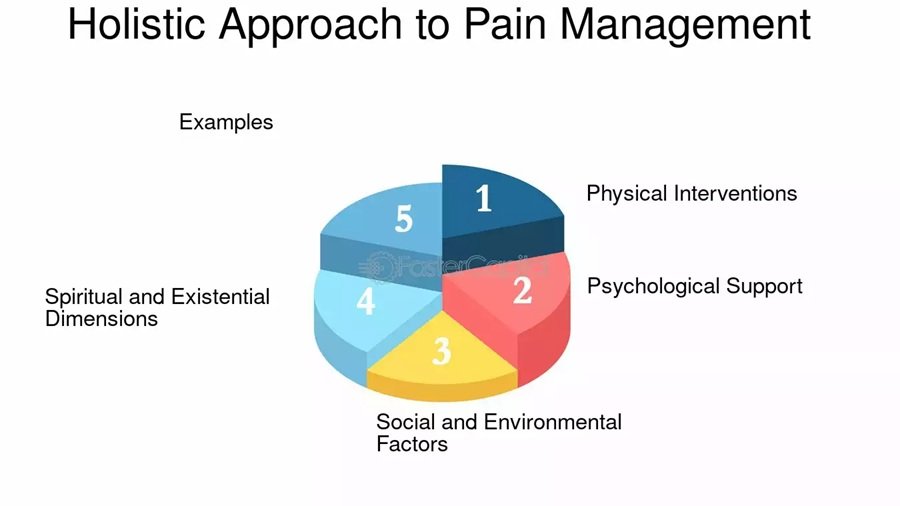
- Palliative care does not only include pain management but it encompasses the entire individual. Combining physical, emotional, social and spiritual needs, holistic palliative care will make the serious illness experience a dignified, comforting and meaningful contact.
- In its most simplistic form, holistic palliative care acknowledges the fact that suffering is multidimensional. A patient might require medication that will help him overcome pain, however, he also requires a person to listen, reassure, and overcome fear and uncertainty. Professionally trained care teams such as physicians, nurses, counselors, and chaplains collaborate in order to provide individualized services in accordance with the values and wishes of each person.
- This model also includes the family members and caregivers. Palliative care empowers the overall support system around a patient by their inclusion in the process of care planning and provision of emotional support to them.
- More importantly, palliative care does not just apply at the end of lifespan situations. It may be introduced at any point during a severe illness along with curative treatment, enhancing the quality of life, and in certain studies, patient outcomes on the whole.
- Healing has a new meaning when care respects the full humanity of an individual, his or her association, conviction, and individual aspirations, even in cases where treatment is no longer feasible.
Key Takeaways
- Palliative care focuses on improving the quality of life for patients with serious illnesses by addressing pain, symptoms, and emotional distress.
- Holistic approaches go beyond physical care, addressing emotional, social, and spiritual needs to support the whole person.
- Early integration of palliative care leads to better patient outcomes, including greater satisfaction with care, enhanced symptom control, and improved emotional well-being.
Palliative care is a specialized medical approach designed to improve the quality of life for individuals grappling with serious or life-limiting illnesses. Unlike standard or curative medical interventions that primarily aim to treat or eradicate disease, palliative care emphasizes comfort, dignity, and overall well-being. By actively focusing on the relief of pain and other distressing symptoms, palliative care practitioners support both patients and their loved ones through what can often be an overwhelming and uncertain journey.
Organizations such as holistic palliative care in Oakland, California, are at the forefront of this compassionate model, offering services that address not just medical needs, but also emotional, social, and spiritual challenges. This patient-centered approach ensures that each individual’s experience of illness is met with humanity, sensitivity, and respect, fostering meaningful connections and ultimately allowing more quality time with family and friends.
What Is Palliative Care?
Palliative care is a multidisciplinary approach to healthcare that focuses on relieving suffering and promoting comfort for individuals living with serious illnesses, such as cancer, heart failure, chronic obstructive pulmonary disease, or neurological disorders. Whereas traditional medicine often prioritizes curing or managing the illness itself, palliative care teams prioritize the person as a whole, seeking to alleviate not only physical pain and symptoms but also stress, anxiety, and existential concerns.
Importantly, palliative care is not limited to those at the end of life; it can be initiated at any stage following a serious diagnosis and delivered concurrently with treatments intended to cure or control the disease. This broadens its reach and allows individuals and their families to benefit from extra support soon after diagnosis, rather than only in the final stages of life.
How Does Palliative Care Improve Quality of Life?
By taking a patient-centered approach, palliative care specialists create individualized care plans tailored to each patient’s specific symptoms, needs, goals, and preferences. Effective management of pain, shortness of breath, nausea, fatigue, insomnia, or other physical symptoms can empower individuals to maintain greater independence and participate in valued activities as much as possible. Integrating psychosocial and spiritual support, palliative care providers help patients and families navigate challenging decisions, ease emotional distress, and promote peace of mind.
For example, services such as Reiki, guided imagery, aromatherapy, and even music therapy may be incorporated to soothe anxiety or improve mood. Many organizations recognize the healing power of such complementary therapies, aiming to enhance well-being beyond what medications alone can provide. This comprehensive support often reduces the sense of isolation faced by patients and families and fosters dignity and connection during a difficult time.
The Role of Holistic Palliative Care
Holistic palliative care builds on conventional palliative practices by integrating medical, alternative, and supportive services to nurture every aspect of a patient’s experience. It recognizes that serious illness affects people physically, emotionally, and spiritually, which can influence their relationships, sense of purpose, and outlook on life. Holistic models integrate therapies such as acupuncture, meditation, mindfulness-based stress reduction, art therapy, and nutrition counseling, alongside traditional symptom management.
The aim is to restore balance, promote comfort, and encourage meaningful life experiences even as health changes. By involving family members and caregivers in planning and care activities, organizations like Holistic Palliative Care help the entire support network adapt, communicate openly, and collaboratively address challenges. This inclusive, compassionate method ultimately supports healing on multiple levels and helps patients maximize their sense of control and joy in everyday living.
Evidence Supporting Palliative Care Benefits
Over the past two decades, a growing body of research has demonstrated the significant benefits associated with palliative care. Clinical studies show that patients who receive palliative services often experience decreased pain and distressing symptoms, greater physical comfort, and improved satisfaction with their care. In addition to these immediate benefits, research indicates that early palliative care involvement is associated with less aggressive end-of-life interventions, fewer unnecessary hospitalizations, and reduced intensive care use.
These measures can reduce healthcare costs without compromising, and in many cases actually improving, the quality of life and even patient survival. Some studies reveal enhanced psychological well-being and reduced incidence of depression, anxiety, and caregiver burden among families. Altogether, these findings make a compelling case for integrating palliative care as a standard component of high-quality healthcare for those with serious illness.
Integrating Palliative Care into Treatment Plans
Optimal outcomes are achieved when palliative care is considered an essential element of comprehensive treatment for people diagnosed with life-limiting or complex illnesses. This requires early and ongoing collaboration between palliative care professionals and primary disease specialists—such as oncologists, cardiologists, or neurologists—to align medical interventions with patients’ values and wishes.
Open communication among care team members helps coordinate symptom management, advance care planning, psychosocial support, and family education. In many healthcare systems, palliative care is available in hospitals, outpatient clinics, and community settings, enabling flexible service delivery tailored to patient needs and preferences. Home-based palliative care can empower individuals to spend more time in familiar surroundings, increasing comfort and reducing the need for repeated hospital visits. By making palliative care a routine part of treatment, patients can receive more holistic support and improved overall well-being.
Addressing Common Misconceptions
One of the leading barriers to accessing palliative care is the mistaken belief that it is only suitable for individuals who are dying or for those who have exhausted all curative treatment options. In reality, palliative care is appropriate at any point following a diagnosis of serious illness, whether at the beginning of treatment, during disease progression, or near the end of life.
Palliative and curative care can be provided together, maximizing comfort while also pursuing remission or disease control if that is part of the patient’s goal. Another misconception is that palliative care means giving up hope, but in truth, it can help patients maintain hope by identifying priorities and shaping care to meet their uniquely personal goals, whatever they may be.
FAQs
No, palliative care is appropriate for patients at any stage of a serious illness and can be provided alongside treatments aimed at cure or prolonging life. It is not restricted to those with a limited prognosis or who are entering hospice care.
While both palliative care and hospice focus on comfort and quality of life, palliative care is available to patients at any point in their illness, regardless of how advanced the disease is. Hospice care, on the other hand, is typically reserved for those with a life expectancy of six months or less and who have chosen to forego curative treatment. Thus, palliative care can begin early and continue as part of a broader treatment plan.
Yes, many palliative care services are available at home, allowing patients to receive care in a familiar and supportive environment. Home-based options may include pain and symptom management, emotional counseling, and assistance with practical needs, all designed to make daily life as comfortable and meaningful as possible.
