

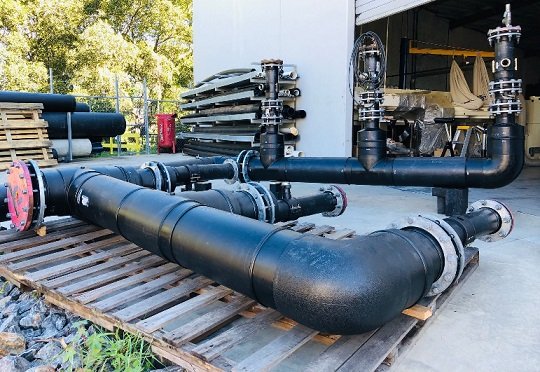
HDPE is a versatile engineering plastic used where durability, low moisture absorption and chemical resistance matter. Across Australian industrial, agricultural and fabrication settings, the material can be considered for components, liners, work surfaces and other practical applications. Its combination of toughness and machinability makes it useful when projects require a robust plastic that can be shaped to suit specific dimensions.
When selecting HDPE for a project, it is important to match the grade, thickness and form to the intended use. Plastic Warehouse lists this material in sheet and rod form and identifies PE100 and PE-HD as related names. Reviewing these details before ordering helps buyers choose a format that is better suited to fabrication, maintenance or replacement work.
Why HDPE Is Suited to Demanding Applications
High-density polyethylene is known for good impact strength, broad chemical compatibility and low moisture absorption. These characteristics can make it suitable for environments where components may be exposed to water, repeated handling or certain chemicals. However, chemical compatibility should always be checked against the exact substance, concentration and service conditions involved.
Consider the Operating Environment
Before choosing a sheet or rod, identify the conditions the finished component will face. Temperature, UV exposure, mechanical load, cleaning chemicals and contact with liquids can all influence material selection. For outdoor or specialised industrial uses, check the product specifications rather than assuming every polyethylene grade will perform in the same way.
Plan Machining and Fabrication
This plastic can be machined using appropriate tools and techniques, which makes it useful for custom components and replacement parts. Accurate measurements are essential before cutting or drilling. Allowance may also be needed for thermal expansion, because plastics generally expand more with temperature changes than metals. Careful planning can also reduce waste, rework and avoidable fabrication delays considerably.
Choose the Right Form and Size
Sheets can suit liners, panels, guides and fabricated surfaces, while rods may be more appropriate for turned or machined components. Selecting dimensions close to the finished size can reduce excess material and simplify fabrication. Buyers should also confirm whether additional finishing, welding or machining will be required before placing an order.
Summary
High-density polyethylene offers a useful balance of toughness, chemical resistance, low water absorption and machinability for many practical projects. Good results depend on choosing the correct grade, dimensions and fabrication method for the intended environment. Australian buyers comparing materials can Shop Plastic Sheets Rods & Tubes to review broader plastic categories and product formats before making a final selection
