

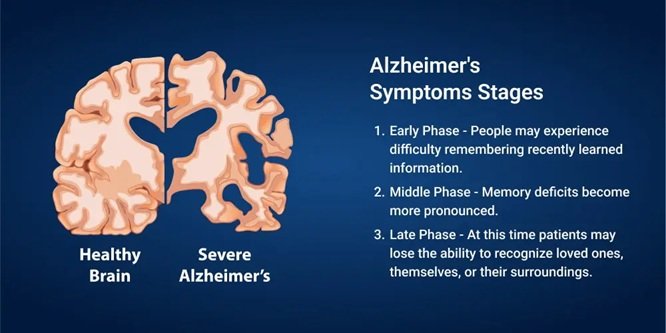
More than 6 million Americans are living with Alzheimer’s, a number projected to rise as the population ages. Identifying early signs of Alzheimer’s disease is critical in managing the condition more effectively. Below, we discuss how discerning these initial indicators can transform its clinical stages.
Identifying Early Signs of Alzheimer’s Disease
Understanding the early symptoms of Alzheimer’s can significantly impact overall disease management. Initial signs often include memory loss that disrupts daily activities, difficulties with problem-solving, and confusion with time or place. Early recognition enables timely medical intervention, which can slow disease progression.
Research indicates that early detection allows patients and families to plan for the future and access supportive resources. According to the National Institute on Aging, earlier intervention with therapeutic measures can improve the quality of life for those affected. This could potentially delay severe cognitive decline.
For individuals, tracking memory changes and other cognitive skills with healthcare professionals is crucial. clinical stages of Alzheimer’s Regular cognitive assessments and being aware of family history can aid in identifying potential risks. Proactively seeking medical advice when symptoms arise ensures better disease management.
Transforming Clinical Stages with Early Detection
Early identification of Alzheimer’s plays a transformative role in the progression of its clinical stages. By diagnosing the disease in its nascent stages, healthcare providers can initiate treatment that may slow or modify the disease’s trajectory. This proactive approach can lengthen periods of independence for patients.
According to a report from the Alzheimer’s Association, individuals diagnosed early may benefit from existing treatments designed to address mild symptoms. These interventions can help maintain daily function and delay the need for more intensive care. This underscores the value of early and accurate diagnosis.
Implementing an early diagnosis strategy involves educating the public about recognizing symptoms and encouraging regular check-ups. A planned approach, including possible lifestyle changes and cognitive therapy, may delay more advanced stages of Alzheimer’s disease. Learn more about the public awareness necessities.
Importance of Timely Intervention in Alzheimer’s Progression
Timely intervention is vital in slowing down the progression of Alzheimer’s. Early action enables patients to receive optimal care before substantial brain changes occur. This approach helps in reducing the burden of the disease on families and healthcare systems.
Timely administration of current treatments can make a considerable difference in the lives of Alzheimer’s patients. According to studies, pharmacological interventions, when applied in the early stages, can sustain cognitive functions longer. This allows patients to engage more actively in their daily lives.
Patients and caregivers should prioritize routine health screenings to catch any early warning signs. Collaborating with healthcare providers to develop a personalized care plan can ensure a comprehensive approach to managing the illness. Effective management strategies are discussed further at Forbes on Alzheimer’s.
Innovative Approaches to Alzheimer’s Diagnosis
New methods in Alzheimer’s diagnosis are paving the way for improved disease management. Advances in neuroimaging and biomarkers allow for more accurate detection of Alzheimer’s at its onset. These innovations help identify the disease before clinical symptoms become fully apparent.
Technological progress has made early diagnosis more accessible and accurate. Methods such as PET scans, MRI analyses, and blood tests for detecting amyloid plaques contribute substantially to this advancement. These tools are crucial in differentiating Alzheimer’s from other types of dementia.
Investing in new diagnostic technologies and increasing research funding are vital steps for continued progress. Encouraging collaboration between research entities and healthcare providers can enhance diagnostic capabilities, leading to better patient outcomes and treatment plans tailored to the specific needs of patients.
Ultimately, by identifying early signs and understanding their impact on clinical stages, we can transform Alzheimer’s treatment and patient care. With timely intervention and innovative diagnosis methods, we hold the potential to improve quality of life for millions worldwide.
