
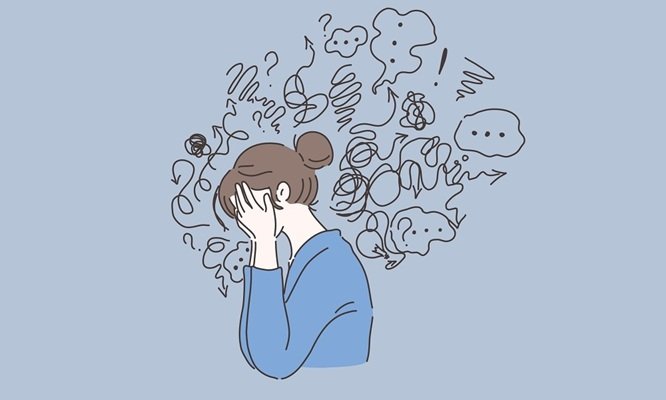
Anxiety disorders are among the most common mental health conditions, affecting over 40 million adults in the United States alone, according to the Anxiety and Depression Association of America. With symptoms that can be debilitating and far-reaching, effective treatment is not just beneficial; it can be transformative.
Advancements in mental health therapy offer a ray of hope for those grappling with anxiety. A variety of treatments are available, each with the potential to vastly improve the quality of life. Below, we explore some of these methods and their impact on individuals’ lives.
Finding Peace Through Anxiety Treatment: Personal Stories of Transformation
Anxiety treatments have the power to drastically change lives, as evidenced by countless personal success stories. Individuals who once faced overwhelming fear and stress often speak of a newfound sense of calm and control after treatment.
For example, exposure therapy has enabled many to confront their fears in a safe, controlled environment, gradually reducing their anxiety responses. Similarly, the anxiety treatment Charleston has helped countless clients to identify triggers and develop coping strategies that improve their day-to-day functioning.
Those exploring treatment options should consider seeking testimonials or discussing potential outcomes with a therapist based on various therapeutic approaches. Understanding others’ diverse experiences can guide individuals toward treatment paths that resonate most with their own conditions.
Cognitive Behavioral Therapy: A Cornerstone of Anxiety Management
Cognitive Behavioral Therapy (CBT) is widely regarded as one of the most effective treatments for anxiety. It focuses on altering negative thought patterns to change behavior and emotions.
Statistics show that CBT can lead to significant improvement in symptoms for approximately 60% of patients with anxiety disorders. Through CBT, patients learn to challenge and reframe their thoughts, which can lead to decreased anxiety and improved mood.
Those interested in CBT should seek out licensed professionals with experience in this specific area. It’s also beneficial to ask about the typical treatment duration and expected outcomes to set realistic goals for the therapy journey.
Medication and Anxiety: Finding the Right Balance for Peace
Pharmacotherapy can be an integral component of anxiety treatment for many individuals. The use of medication, often in conjunction with therapy, can provide relief from intense symptoms.
Selective serotonin reuptake inhibitors (SSRIs) and benzodiazepines are among the medications frequently prescribed. While SSRIs are considered first-line treatments due to their safety and efficacy, benzodiazepines might be used for more immediate symptom relief.
Discussing medication options with a healthcare provider is essential to finding the right fit. Factors to consider include side effects, the potential for dependence, and how the medication will complement other treatments. A comprehensive approach often yields the best long-term results.
Lifestyle Changes and Support Systems in Conquering Anxiety
In addition to therapy and medication, lifestyle adjustments and social support play crucial roles in managing anxiety. Simple changes, such as regular exercise or mindfulness practices, can make a significant difference.
For instance, aerobic exercise has been shown to reduce overall tension levels, stabilize mood, and improve sleep. Balancing these activities with a support system of friends, family, or support groups can also provide the emotional backing necessary to navigate the challenges of anxiety.
Individuals should also establish a routine that includes stress-reducing activities and build a network of friends or family who understand their journey. Proactively communicating one’s needs and boundaries to loved ones is key to building a supportive environment.
The journey to finding peace through anxiety treatment is unique to each individual. The combination of personal narratives, cognitive behavioral therapy, carefully managed medication, and lifestyle and support systems underscores the multifaceted approach necessary to conquer anxiety effectively. With the right strategies and support, those affected by anxiety have a strong chance of regaining control and enjoying a more peaceful life.
