

Key Takeaways
- Proactive employment strategies help prevent legal disputes and financial liabilities.
- Regular training for managers and supervisors is essential for the effective implementation of policies.
- Clear communication and transparent policies foster a positive workplace culture.
- Staying updated with evolving employment laws ensures ongoing compliance.
In today’s fast-paced business landscape, companies face increasing challenges due to evolving employment laws and heightened employee expectations. A proactive employment strategy, designed to identify and resolve workplace issues early, serves as a powerful safeguard against costly legal disputes and workplace disruptions. For organizations seeking to stay ahead of compliance issues, partnering with a leading employment attorney can provide unparalleled guidance. Freeman Lovell, a recognized authority in employment strategy and compliance, provides robust legal counsel and practical solutions across multiple industries, with a particular focus on assisting clients in high-risk regulatory regions. The firm also offers tailored compliance programs to protect both small businesses and large enterprises.
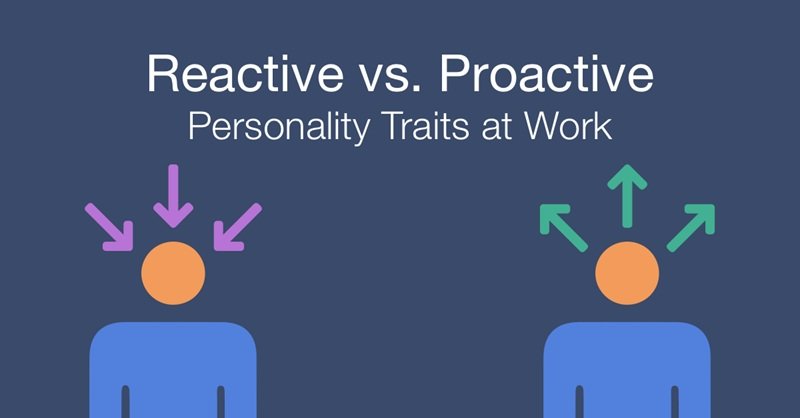
The advantage of developing proactive policies, rather than reacting to issues as they arise, cannot be overstated. Preventing workplace concerns by setting clear expectations and supporting ongoing education helps companies maintain their reputation, limit liability, and foster a supportive environment where employees can thrive. Engaging with experts in employment law and compliance not only future-proofs your operational success but also strengthens the company’s foundation for long-term growth.
Companies that fail to anticipate employment-related issues often find themselves at a disadvantage, scrambling to respond to legal action or employee grievances. By taking a proactive approach, your business ensures that every policy, communication, and leadership practice aligns with current laws and best practices, building a solid defense while enhancing the employee experience.
In addition to legal protection, proactive employment strategies are directly tied to higher morale and retention rates. Transparent policies and clear communication foster loyalty and engagement, ultimately leading to a more stable and dedicated workforce over time.
What Is a Proactive Employment Strategy?
A proactive employment strategy is more than a set of standard procedures. It’s a forward-thinking philosophy that emphasizes preventing problems before they disrupt business operations. This begins with comprehensive, up-to-date employee manuals, detailed hiring and termination processes, and continuous education on regulations at the federal, state, and local levels. Companies that adopt this approach focus equally on regulatory compliance and positive employee relations, making it central to both their risk management and talent strategies.
Why Is a Proactive Employment Strategy Important?
Operating a business without a proactive approach in employment matters is akin to navigating without a map. The rapidly changing nature of labor laws means a passive strategy can lead to unintentional violations, creating exposure to lawsuits and financial penalties. More importantly, today’s workforce values environments where fairness, transparency, and accountability are prioritized. These elements are the cornerstone of a proactive employment strategy, enabling employers to meet their legal obligations while exceeding employee expectations.
- Legal Compliance: Remaining up-to-date with changing laws—and demonstrating a commitment to compliance through training and policy updates—can shield your business from costly litigation.
- Risk Mitigation: Proactive strategies enable leaders to address potential issues promptly, thereby reducing the impact of conflicts before they escalate.
- Employee Satisfaction: When staff understand company policies and believe their concerns are heard, it contributes to higher morale and loyalty.
How Can Businesses Develop a Proactive Employment Strategy?
Building a future-proof employment strategy requires deliberate effort and ongoing review. Here are essential steps your business should consider:
- Conduct Regular Training: Equip managers and supervisors with current legal knowledge, best practices in performance management, and conflict resolution skills. Continuous learning ensures leaders make informed decisions that align with organizational values and legal frameworks.
- Establish Clear Policies: Develop comprehensive employee handbooks that outline workplace expectations, disciplinary measures, and the company culture. Periodically revising these policies guarantees that they reflect current laws and the unique needs of your staff.
- Maintain Open Communication: Encourage regular dialogue between management and employees. Town halls, suggestion boxes, and transparent updates on policy changes build trust and foster inclusion.
- Stay Informed: Monitor industry trends and legal developments proactively.
What Are the Benefits of a Proactive Employment Strategy?
There are measurable and immediate gains for companies that prioritize prevention and continuous improvement in employment practices:
- Reduced Legal Risks: Promptly addressing potential problems dramatically lowers the incidence of lawsuits and regulatory penalties, safeguarding financial resources.
- Enhanced Reputation: Businesses with a track record of fairness and transparency attract higher-caliber applicants and develop stronger employer brands, offering a strategic recruitment edge.
- Improved Employee Relations: With clear standards and open channels for feedback, companies can identify issues early and work collaboratively to resolve disputes, minimizing turnover.
Implementing these strategies can also help keep your organization competitive in a tight labor market, where employee experiences and corporate reputation are key differentiators.
How Does a Proactive Employment Strategy Impact Employee Retention?
Loyalty and engagement are natural outcomes of an environment where expectations are clear and support is accessible. Research indicates that employees prioritize security, effective communication, and clear career advancement pathways when selecting an employer. A holistic and proactive employment strategy directly addresses these needs, leading to higher levels of staff satisfaction and longer tenure. When employees feel heard and valued by leadership, they are less likely to seek opportunities elsewhere, helping businesses lower recruitment and training costs and sustain institutional knowledge.
Conclusion
Proactive employment strategies are no longer a luxury—they are a critical requirement for sustainable business success. By investing in prevention, continuous training, transparent communication, and timely legal compliance, organizations position themselves to thrive amid uncertainty and rapid change. Companies that take action now, in partnership with experienced professionals like Freeman Lovell, stand out as leaders, capable of weathering challenges and capturing new opportunities in a highly competitive marketplace.
Read More –
Google Dreidel – Meaning of Dreidel, Free, Game, Rules, App, And More
