

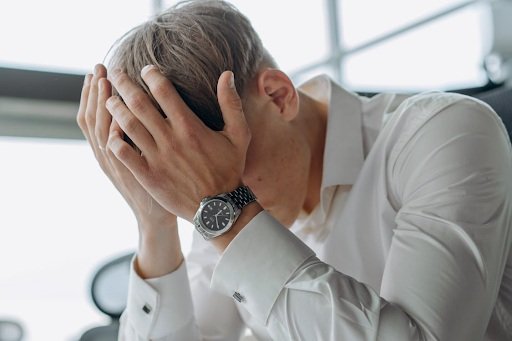
When you get into a car crash, truck accident, or another type of physical collision, there’s an immediate concern…
“What am I going to do about my physical injuries?”
Bruises, breaks, whiplash…we think about the damage to our body.
But few people consider…
“What about my mental health?”
Physical accidents take a serious toll on your psychological well-being. Many people are surprised to learn that auto accidents are actually the leading cause of PTSD in the United States.
If you’ve been in a collision and are suffering from anxiety, depression, or PTSD…
You don’t have to struggle in silence.
Let’s talk about how physical accidents lead to PTSD and what you should do if you’ve been hurt in an accident.
What You’ll Learn…
- How Physical Accidents Cause PTSD
- Warning Signs Of PTSD After An Accident
- Risk Factors That Increase Your Likelihood
- How To Recover From PTSD
How Physical Accidents Cause PTSD
Wait, what? Car crashes cause PTSD?
Yep, it’s true.
Car accidents are actually the number one cause of PTSD in everyday Americans.
According to the American Psychological Association, motor vehicle accidents lead to more cases of PTSD than any other trauma outside of military combat.
When you get into a serious accident, your brain goes into survival mode.
Your fight-or-flight response kicks into high gear. Stress hormones flood your body and you live in a constant state of panic.
For some people, that panic never goes away.
Scientists recently conducted a meta-analysis on PTSD and road traffic accidents. They concluded that roughly 26% of RTA (road traffic accident) survivors suffer from PTSD.
That means 1 in 4 people that survive a car crash end up with psychological trauma that needs treatment.
If you’ve been in an accident and are experiencing mental health symptoms like panic or anxiety, it’s important to speak with a kirkland personal injury attorney immediately. You may be entitled to compensation for psychological trauma in addition to physical damages.
Emotional trauma is one area that many insurance companies try to downplay. Having an auto accident attorney on your side can help ensure you get the compensation you deserve.
Physical accidents cause PTSD because your brain associates future events with the elements of fear and danger that you experienced during the crash.
Warning Signs Of PTSD After An Accident
Feeling shook up after your accident?
Don’t brush those feelings aside.
You could be suffering from post-traumatic stress disorder.
Here are the most common symptoms of PTSD after a physical accident:
- Flashbacks and intrusive memories about the accident
- Avoiding driving (or in some cases, even riding in cars)
- Avoiding talking about the accident
- Extreme panic when your stress hormones kick in
- Anxiety around similar sounds/smells that you experienced during the crash
- Sleeping trouble (nightmares about the accident)
- Emotional numbness and fatigue
Subconsciously, your brain will try to avoid things that trigger your PTSD.
If your wife was burned in a car accident, you might avoid holding her hand. It reminds you of the fire.
If you broke your leg when two cars crashed into each other, you might feel panicked when you hear large trucks collide.
It’s your brain’s way of protecting you from potential danger.
Another thing to remember with PTSD…
The symptoms don’t always show up immediately.
Sometimes it can take weeks or months before you start to realize there’s a problem.
If you’ve been in a car accident and experience the above symptoms for more than 30 days, you may be suffering from PTSD.
Risk Factors That Increase Your Likelihood
Just because you were in an accident doesn’t mean you’ll develop PTSD.
Some people will experience traumatic events and bounce back quickly.
Other people seem to develop PTSD from the smallest reasons.
It all depends on your risk factors.
Exactly what makes you more likely to develop PTSD after a physical accident?
Well, let’s take a look…
- Seriousness of the accident. Were you involved in a fatal accident? Did you think you were going to die? Did you sustain major injuries? The more life-threatening the accident was to you, the more risk you have of developing PTSD.
- Previous mental health conditions. If you’ve suffered from depression or anxiety in the past, you’re more likely to trigger those feelings after an accident. Why? Your brain has already created a PTSD response to stressors.
- Women are more likely to develop PTSD from accidents than men. Yep, we don’t know exactly why either. But scientifically, it’s been proven.
- Lack of support system. Do you feel like you have people to talk to about your accident? Do you plan on seeking mental health help? Not having someone to help you process what happened increases your chances of PTSD.
- Financial/legal stress from the accident. Are you being sued? Going to court? Do you have tons of bills from your injuries? Stressful situations like these can cause your PTSD symptoms to linger and worsen.
The Physical Mental Connection
We already mentioned how your brain plays a huge part in causing PTSD after a physical accident.
But did you know that your physical health plays a role too?
If you’re living with pain after an accident, you are at a higher risk of developing PTSD.
Also, if you have PTSD, your recovery time for physical injuries will be longer.
Here’s why…
Physical pain is one of the most common symptoms of PTSD.
In fact, 69% of accident survivors who experience PTSD also struggle with physical pain that doesn’t go away.
When you’re in pain, it reminds your brain of the accident.
Then your body freaks out and produces more stress hormones.
Increased anxiety causes you to tighten up your muscles…
Which causes more pain.
How To Recover From PTSD
Thankfully, PTSD is treatable.
There are therapists that specialize in trauma and can help you recover from your accident.
If you’re struggling after a physical accident, here’s what you should do:
- Contact a lawyer and mental health professional as soon as possible. You don’t want to wait until your symptoms get progressively worse.
- Document everything. Save receipts for your medications, keep a journal of your symptoms, and write down examples of how the trauma affects your everyday life. You’ll need this later if you decide to seek compensation.
- Reach out to family and friends. Recovery from PTSD is much easier when you have people to support you. You don’t have to go through this alone.
- Work with a trained auto accident lawyer who can help you recover compensation for your emotional trauma. Psychological harm is every bit as real as physical trauma but many people aren’t aware that you can seek compensation for it.
Wrapping Things Up
Physical accidents lead to PTSD because of the deep mental connections your brain creates during the traumatic event.
26% of accident survivors develop PTSD (that we know of). Some deal with the symptoms privately and never ask for help. Others let it consume their life.
If you’ve been injured in an accident and need help, contact our office today. You don’t have to suffer needlessly.
Read More-
How to Make Smarter Energy Choices in a Changing World
Designing Workspaces That Support Employee Health and Retention
