
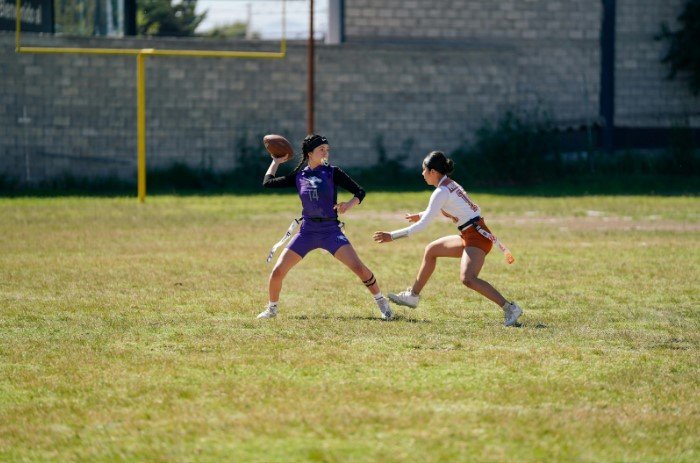
Off-season motivation for young athletes has always been a huge issue. Mostly, without the game-day excitement, it becomes hard to keep the kids really driven and motivated. A coach often finds himself or herself wondering how to keep energy high, drills fun, and genuinely interested players. If the readers have ever seen a team fail to hold their focus through winter or summer break, they will know how difficult this can be.
With some creative thinking, structuring, and the right strategies, off-seasons can become some of the most powerful growth periods. Indeed, this means making use of tools such as football plays for 7 on 7 to keep things interesting.
What’s really effective at bringing kids back in would have to be explored.
1. Make Practice Fun and Purpose-Driven
Learning new things or becoming interested in them seems to occur naturally as soon as the child begins to grasp the reason behind an action. Also, instead of routine drills, turn it into a competition and have them alternate, challenging each other. Safety football plays can be incorporated so that the kids are working on something that resembles a game plan instead of idling in drills. When younger athletes see the connection between training and what they do come game day, that elevates their motivation!
2. Keep Sessions Short, Structured, and High-Energy
Dragging off-season training out helps in draining excitement quickly. That is how the setup came up with such a quick practice, full of vigorous movement and variety, culminating in specific goals. A practice in the duration of 60 to 75 minutes consisted of fast-paced drills, a play-install segment, and a quick scrimmage to keep players alert and engaged. New football plays can also be introduced at this time, for each week to be something new for them to look forward to.
3. Add Gamification to Every Training Session
Kids love games – that is simple. Putting conditioning runs into relay races or turning skill drills into point-based competitions immediately increases player attendance. You might also want to try “play of the week” challenges, where players have to execute one selected play really well, for example, and score points for their team. Gamified sessions begin to create the excitement and friendly competition that players respond to immediately.
4. Encourage Peer Leadership and Mentorship
The off-season is probably the best time to develop leadership skills. Some of the options worth considering include reorientation of team captains for each training session, or allowing the older players to act as mentors to their younger counterparts. When players feel ownership for the success of the group, showing up will mean having more mental presence and the confidence to lead from the front. These are also vital skills in leveling up communication and teamwork needed for a successful run during the season.
5. Mix In Non-Football Activities
Offer your team some surprises that include fun with obstacle courses, agility games, indoor sports, or team activities that entail solving a problem. All of this lessens boredom, offers some fitness help, along the way creates team spirit, and motivates the players to train harder for themselves.
Conclusion
Off-season workouts should not be a competition for attention, but be varied, interesting, and have enjoyable aspects to keep youngsters excited about getting better at their game, even months before the season begins. Using fun contests, cooperative learning opportunities, and creative drills is the best way to make them practice something to look forward to. When players are involved, they return to the field stronger, sharper, and more prepared for one of the best seasons ever.
Read More –
