
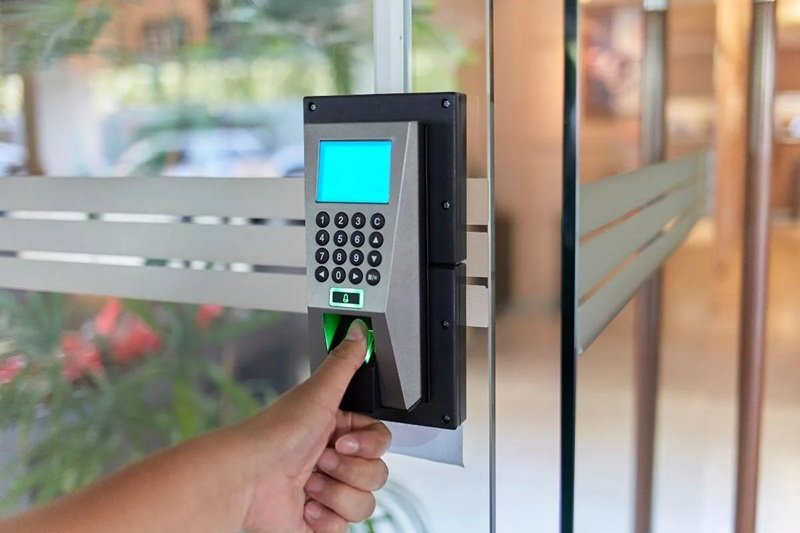
Smart access systems, including smart locks, electronic access control panels, biometric readers, and mobile credential systems, have become increasingly popular in homes, businesses, and public spaces. They offer convenience, flexibility, and enhanced monitoring, but also bring new security and safety risks. This article examines how safe smart access systems are, what risks they introduce, and how those risks can be managed.
What Are Smart Access Systems?
Smart access systems replace or augment traditional locks and keys with technology such as:
- Wireless communication (Wi-Fi, Bluetooth, Zigbee, Z-Wave, etc.)
- Mobile apps or cloud services for remote control
- Biometrics (fingerprint, facial recognition) or PINs
- Logging and monitoring of who enters and when
- Integration with video surveillance, alarms, or home automation
These can be used in homes, offices, apartment buildings, shared facilities, industrial sites, and so on.
Potential Risks and Threats
While smart access systems bring many benefits, they also create new attack surfaces. Some of the main risks include:
- Cybersecurity Vulnerabilities
- Weak or outdated firmware/software can be hacked.
- Communication channels (Bluetooth, Wi-Fi) may be intercepted or spoofed.
- Companion apps with poor security, default credentials, or insecure cloud APIs increase exposure.
- Physical Weaknesses
- A smart lock must still contend with physical attacks (lock picking, forced entry). Some are less robust mechanically.
- Power failures or battery exhaustion can disable functionality or leave fallback options insecure.
- Privacy Risks
- The logs and metadata (who enters and when) may be sensitive, and if stored insecurely, could be exposed.
- Biometric data, if used, introduces an additional risk if compromised.
- System Complexity & Integration Risks
- More moving parts (networks, cloud services, firmware updates, multiple credentials) means more places for errors, misconfigurations or gaps.
- Legacy or mixed systems (older physical locks plus smart elements) can have mismatched security levels.
- If the smart access system is connected to or coexists with a larger network (e.g. a business network), a breach may lead to lateral attacks inside the network.
- Dependence & Failure Modes
- Smart systems rely on electricity, network connectivity, batteries, etc. When those fail, the system may lock out legitimate users or fail to alert in case of intrusion.
- Software bugs or delays in updates can leave known vulnerabilities open.
How Safe Are They, Really?
Many security experts believe that well-designed smart access systems are reasonably safe, often safer in some respects than traditional locks, especially when configured and maintained properly. Some support for this:
- Smart locks allow fine-grained control: temporary access, revoking credentials, logging.
- In many cases, the risk of a smart lock being exploited via a cyber-attack is low in practice for average users, as many attackers prefer simpler physical methods.
However, there is no perfect solution; every system has trade-offs.
There are also recent detailed discussions comparing the security of smart locks with traditional locks, highlighting the conditions under which smart systems are or are not secure. If you’re wondering are smart lockers safe, you can find an in-depth look at the pros, cons, and best practices of smart locks specifically online.
Best Practices to Improve Safety
To maximize safety when using smart access systems, consider the following guidelines:
| Measure | Why It Helps |
|---|---|
| Choose reputable manufacturers with frequent security updates and transparency. | Ensures vulnerabilities are patched and security architecture is well considered. |
| Use strong encryption and secure communication protocols. | Protects data in transit and prevents interceptions. |
| Keep software & firmware updated | Patches often fix known security flaws. |
| Use two-factor authentication (2FA) where possible (app + PIN +/or biometric). | Adds layers of protection even if one credential is compromised. |
| Ensure physical robustness (material strength, tamper resistance). | Protects against forced entry or mechanical attacks. |
| Have fallback/backup options (physical key, emergency power). | Prevents lockout during power/network failure. |
| Audit and monitor logs | Helps detect suspicious activity. |
| Segment networks when smart access systems are on a network to limit damage if compromised. | Prevents breach of one system from spreading. |
| Limit access rights (temporarily or by role). | Minimizes exposure. |
In Conclusion
Smart access systems offer considerable benefits in convenience, flexibility, and auditability. When properly chosen, installed, configured and maintained, they can be safe and even more secure in certain respects than traditional mechanical locks. However, they are not without risk. Understanding the potential vulnerabilities (both digital and physical) and applying best practices is essential.
Read More –
Designing a Global Content Strategy with Headless CMS at the Core
