
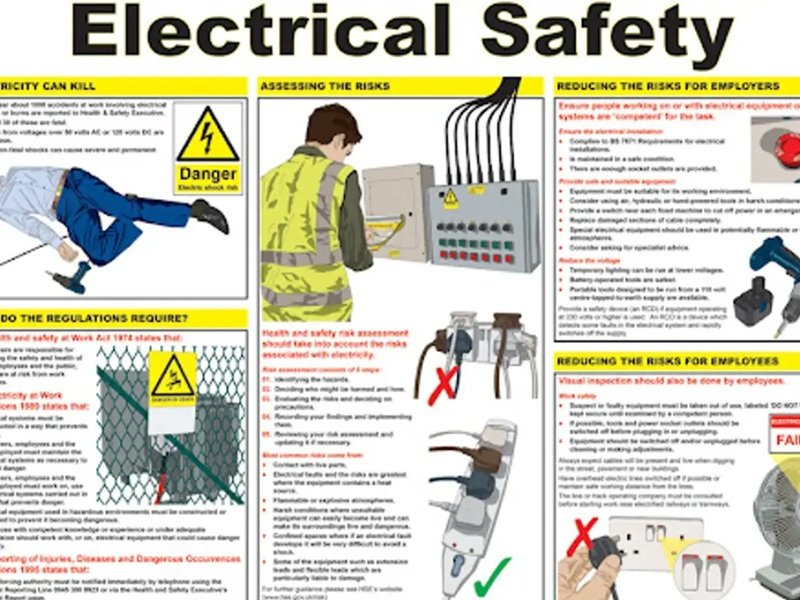
Electricity is a powerful and indispensable part of modern life—but it can also be extremely dangerous if mishandled. For electricians, engineers, and maintenance technicians, working with live electrical systems is sometimes unavoidable. Whether it’s testing circuits, making emergency repairs, or troubleshooting equipment, being around live electricity requires more than just experience—it demands a clear understanding of safety protocols designed to prevent injury or even fatal accidents.
Below are key safety protocols every professional should follow when working with live electrical systems.
1. Understand When It’s Truly Necessary
First and foremost, determine whether working live is essential. The safest approach is always to de-energize equipment before beginning work. However, in cases where shutting down power isn’t feasible—such as when diagnosing a fault or servicing critical infrastructure—it’s vital to have a well-justified reason to proceed live and follow strict procedures accordingly.
2. Conduct a Risk Assessment
Before beginning any live work, conduct a thorough risk assessment. Identify all potential hazards and evaluate who might be affected and how. Review safety data sheets, technical documents, and previous maintenance records. This step helps determine whether the task can be completed safely with appropriate controls in place.
3. Use the Right PPE and Tools
Personal Protective Equipment (PPE) is a line of defense that should never be compromised. Professionals working with live electricity must wear arc-rated clothing, insulated gloves, face shields, and safety boots. In addition, insulated tools must meet the appropriate voltage ratings to prevent accidental shocks. Even a screwdriver without insulation can become deadly in a live environment.
4. Follow Lockout/Tagout (LOTO) Where Applicable
While LOTO is commonly associated with de-energized work, it also plays a role in ensuring that equipment doesn’t become re-energized during maintenance. For tasks that must be done live, ensure all unrelated circuits are locked out and tagged clearly to prevent accidental activation.
5. Maintain Safe Distance and Barriers
Always maintain a safe working distance from exposed energized parts. Use barriers, insulation mats, or safety screens to protect yourself and others from arc flashes or accidental contact. Proper lighting and clutter-free surroundings also reduce the risk of missteps.
6. Use Only Certified and Reliable Equipment
When it comes to live electrical work, there’s no room for subpar tools or components. Professionals in the field rely on certified equipment that complies with national safety standards. For those looking for reliable live electrical products in Surrey in the UK, sourcing from reputable suppliers ensures quality, safety, and peace of mind on every job.
7. Never Work Alone
Live work should never be done in isolation. Always have a trained colleague nearby who can assist in emergencies or provide a second opinion on safety decisions. Communication and teamwork can be lifesaving.
8. Stay Trained and Up to Date
Safety standards and regulations evolve regularly. Continuing education, refresher courses, and toolbox talks keep professionals informed about the latest protocols, equipment innovations, and hazard mitigation strategies.
Conclusion
Working with live electricity is inherently risky, but with the right knowledge, equipment, and mindset, these risks can be managed. By adhering to strict safety protocols, professionals can protect themselves and those around them—while completing their work efficiently and responsibly. Always remember: safety isn’t just a checklist—it’s a culture that must be reinforced every single day.
