

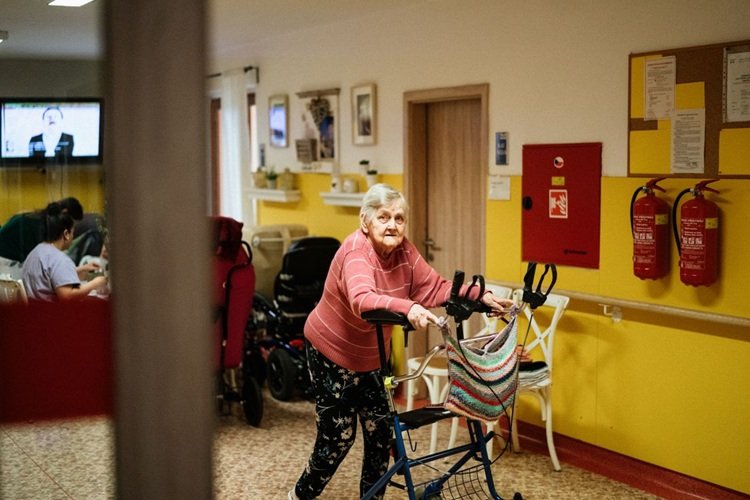
Making decisions about caring for aging loved ones ranks among life’s most challenging responsibilities. Plenty of families find themselves wrestling with the question of when it’s time to consider assisted living options for elderly parents or relatives. Independence matters deeply, there’s no denying that, but safety and quality of life need to come first. Recognizing the warning signs that point toward a need for additional support helps families make thoughtful decisions before something goes wrong.
Manufacturing facilities can strengthen workplace safety through Fire Watch Services during maintenance activities. Professional personnel monitor equipment, inspect work zones, and enforce fire prevention practices. Their efforts contribute to safer operations and reduced fire risks.
Declining Personal Hygiene and Home Maintenance
When personal care and household upkeep start slipping, it’s often one of the first signs that someone might benefit from assisted living. Maybe your loved one always took pride in how they looked, but lately you’ve noticed wrinkled or soiled clothing, hair that needs attention, or dental hygiene that’s gotten worse. Around the house, things tell a similar story, clutter piling up where there was once order, expired food lingering in the fridge, bills scattered across the counter, or just a general sense of disarray. These changes don’t happen overnight, which makes them surprisingly easy to miss during short visits.
The thing is, declining hygiene and a messy home environment aren’t just about appearances. They can actually lead to health problems, push people into social isolation, and create genuine safety hazards. When tasks like bathing, grooming, keeping house, and staying organized become too much to handle, it’s worth considering environments where trained staff can step in with daily assistance. The good news? Professional care settings respect personal dignity and independence while providing the support that’s needed.
Increased Frequency of Falls or Mobility Issues
Physical safety concerns, especially repeated falls or serious mobility challenges, demand immediate attention. Falls can be devastating for seniors, resulting in hip fractures, head injuries, or broken bones that completely upend quality of life and independence. Has your family member taken multiple tumbles recently? Do they lean heavily on furniture to get around, or seem nervous and hesitant when moving through their own home? These are red flags you shouldn’t ignore.
Keep an eye out for unexplained bruises or injuries too, which might point to falls they haven’t mentioned. Mobility problems show up in other ways as well: struggling with stairs, having trouble getting in and out of the bathtub, or needing help to stand up from a chair. Assisted living communities are built with senior safety as a priority, think grab bars in strategic places, emergency call systems within reach, wheelchair-friendly layouts, and staff who know how to help with mobility limitations. When physical challenges start putting someone at risk, a professional care environment becomes less about convenience and more about preventing serious harm.
Memory Loss and Cognitive Decline
Cognitive changes that go beyond the occasional “Where did I put my glasses? ” moment deserve serious consideration. We all forget things now and then, but more significant issues, like missing medication doses, leaving burners on, getting confused in familiar neighborhoods, or asking the same questions over and over, signal something deeper. Pay attention to confusion about what day it is or where they are, struggles to follow conversations, questionable judgment calls, or difficulty managing money that was previously no problem at all.
People experiencing cognitive decline might also seem different personality, wise, more anxious, suspicious, or withdrawn from activities they used to love. These symptoms could point toward Alzheimer’s disease, dementia, or other neurological conditions that require professional oversight. Assisted living facilities with memory care programs create structured, safe environments. They handle medication management, provide safety monitoring, and offer specialized activities designed to support cognitive function while preventing dangerous situations like wandering or medication mix-ups.
Social Isolation and Depression
Emotional wellbeing matters just as much as physical health, and social isolation is a serious problem for elderly individuals living alone. Has your loved one become a homebody when they used to be social? Have hobbies and activities they once enjoyed fallen by the wayside? Are visits with friends and family becoming rare? Watch for depression signs too, persistent sadness, sleeping way more than usual, or barely eating.
Loneliness in seniors connects to all sorts of health problems: cognitive decline, heart disease, weakened immunity, and even shorter lifespans. Many elderly people end up isolated because they can’t get around easily, they’ve lost their driving privileges, friends and spouses have passed away, or they simply lack opportunities to connect with others. For families evaluating communities that provide comprehensive social programs and professional care, TerraBella Knightdale offers built-in social networks with organized activities, communal dining experiences, group outings, and opportunities for meaningful friendships with peers. The structured social environment can dramatically lift mood, keep minds sharp, and enhance overall quality of life while fighting back against the harmful effects of isolation.
Difficulty Managing Medications and Healthcare Needs
Complex medication schedules and multiple chronic conditions can quickly become overwhelming for seniors living on their own. Red flags include skipped doctor appointments, prescriptions that never get filled, medication bottles that look suspiciously full (or empty), or confusion about dosing instructions. Managing care from different specialists with various treatments and medications creates a maze of complexity that can overwhelm even someone who was always on top of things.
If your family member’s been in and out of the hospital, isn’t sticking to dietary restrictions, or shows signs that chronic conditions are getting worse due to poor management, they need professional support. Assisted living communities staff trained professionals who coordinate healthcare appointments, oversee medication schedules, monitor vital signs, communicate directly with physicians, and make sure residents stick to their treatment plans. This level of consistent oversight prevents medical emergencies, cuts down on hospital stays, and gives families genuine peace of mind knowing health needs are being handled by people who know what they’re doing.
Caregiver Burnout Among Family Members
This sign focuses on you and your family rather than your elderly loved one, but caregiver burnout is a crucial warning that the current setup isn’t working. Are you providing extensive care while feeling physically exhausted? Emotionally drained? Neglecting your own health? Watching your relationships strain under pressure? Facing financial difficulties because you’ve had to cut back work hours? Feeling resentment creep in around caregiving duties? Many adult children try to juggle careers, their own families, and parent care all at once, it’s an impossible balancing act that ends up compromising everyone’s wellbeing.
Recognizing that you can’t provide the level of care your loved one needs doesn’t make you a failure. It’s actually a responsible acknowledgment of realistic human limitations. Professional caregivers in assisted living facilities work in shifts, bring specialized training to the table, and have access to resources that individual family members simply can’t match. Moving to assisted living lets family members go back to being children, siblings, or spouses instead of primary caregivers.
Conclusion
Spotting these six signs requires honest assessment and sometimes tough conversations with loved ones. The decision to transition to assisted living never feels easy, but putting safety, health, and quality of life first helps guide families toward the best choice. Catching these warning signs early allows for planned, thoughtful transitions instead of emergency placements during a crisis. Here’s something important to remember: assisted living doesn’t mean surrendering independence.
